
Introduction: More Than Just Games
When most people think of Nintendo, they immediately picture iconic characters like Mario, Zelda, and Pokémon, but beneath that nostalgic surface lies one of the most disciplined and strategically unique business models in the entire entertainment industry.
Nintendo has built its success not simply by selling games, but by creating immersive ecosystems, controlling the platforms those experiences live on, and repeatedly monetizing its intellectual property across decades with remarkable consistency.
This is not merely a gaming company competing for short-term attention; it is a long-term content engine that combines creativity, control, and patience to generate enduring value. Here is Nintendo by the numbers.
| Category | Metrics |
|---|---|
| Founded | 1889 |
| Headquarters | Kyoto, Japan |
| Brands | Video Game Series |
| Hardwares Units Sale (Switch) | 130+ million |
| Software Production | 213+ million |
| Annual Revenue | ~$12B to 15B+ |
| Main Revenue Source | Hardware + Software – Games |
| Operating Income | ~$3.7B |
| Total Assets | ~$21.8B |
| Employees | ~8200 |
However, these numbers alone do not fully capture the nature of Nintendo’s business, as its performance tends to move in cycles tied to console launches and major game releases, making it essential to understand the structure behind its revenue streams rather than focusing solely on headline figures.
Hardware: The Entry Point Into the Ecosystem

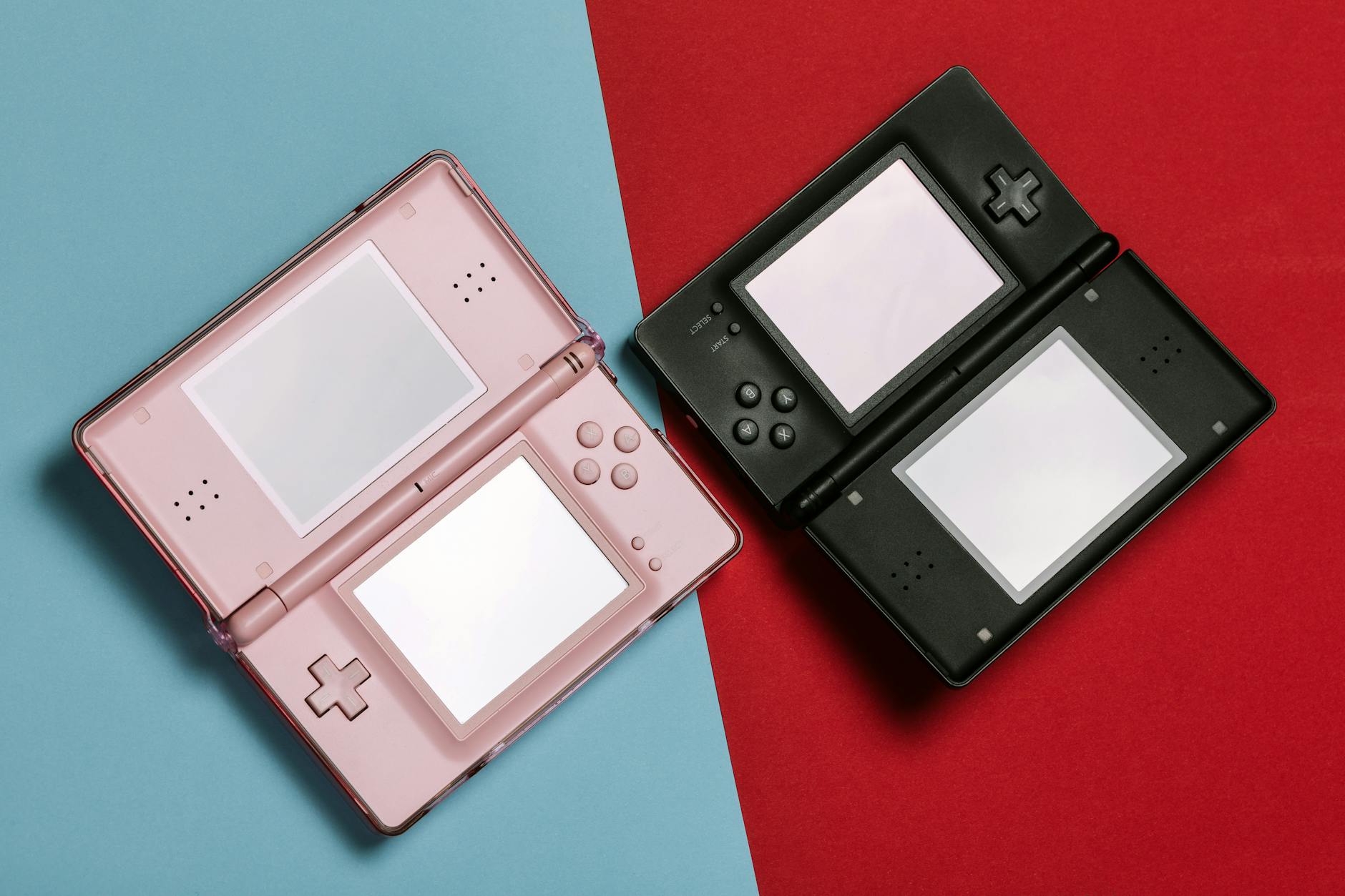
Nintendo generates a significant portion of its revenue by designing and selling its own hardware platforms, such as the Nintendo Switch and its variations, which serve as the primary gateway into its ecosystem.
Unlike competitors such as Sony and Microsoft, which often compete on processing power and graphical performance, Nintendo differentiates itself by focusing on innovative gameplay experiences, such as hybrid portability, motion controls, and unique user interfaces.
This approach allows Nintendo to position its hardware not just as a device, but as a distinct experience that attracts a broad demographic of users, including casual players and families. By controlling the hardware, Nintendo effectively controls the environment in which its games are played, ensuring that every user who purchases a console is brought directly into its monetization ecosystem.
Software: The Core Profit Engine

The majority of Nintendo’s profitability is driven by its software segment, where it develops and publishes first-party games built around its portfolio of globally recognized franchises, including Super Mario Bros., The Legend of Zelda, and Pokémon.
These franchises are not dependent on short-term trends, but instead function as long-term intellectual property assets that can generate revenue across multiple console generations and formats.
Nintendo’s strategy of maintaining premium pricing on its games, even years after release, allows it to preserve margins and avoid the heavy discounting commonly seen in the broader gaming industry. As a result, each successful title becomes a durable revenue generator that continues to contribute to profitability long after its initial launch window.
Platform & Digital Revenue
Building the Flywheel
Once users are inside Nintendo’s ecosystem, the company expands its monetization through digital distribution, subscription services, and third-party platform fees, creating a self-reinforcing revenue flywheel.
Nintendo earns a percentage of sales from third-party developers who publish games on its platform, while also generating recurring revenue through services such as Nintendo Switch Online, which provides access to multiplayer features and a library of classic games. Digital downloads play an increasingly important role, as they offer higher margins compared to physical copies and allow Nintendo to maintain direct relationships with its customers.
This structure mirrors elements of platform-based companies like Apple, where the value of the ecosystem increases as more users and developers participate, reinforcing long-term growth.
Licensing & IP Expansion: Extending Beyond Gaming

Beyond hardware and software, Nintendo has increasingly leveraged its intellectual property through licensing agreements and partnerships that extend its reach into movies, theme parks, merchandise, and mobile experiences.
The success of recent film adaptations and the development of attractions like Super Nintendo World demonstrate how the company can translate its gaming franchises into broader entertainment formats, similar to the strategy employed by The Walt Disney Company.
This expansion allows Nintendo to monetize its characters in entirely new ways while reinforcing brand awareness and driving users back into its core gaming ecosystem, creating a powerful feedback loop between content and consumption.
The Nintendo Flywheel: A System That Reinforces Itself

Nintendo’s business model operates as a tightly integrated flywheel in which each component strengthens the others, beginning with the creation of compelling intellectual property that drives exclusive game development and, in turn, hardware adoption.
As the user base grows, third-party developers are attracted to the platform, increasing the variety of available content and further enhancing the ecosystem’s value.
This expanded reach enables additional monetization through digital sales, subscriptions, and licensing opportunities, which then feed back into the development of new experiences and franchises.
Over time, this cycle compounds, allowing Nintendo to sustain its competitive position without relying on constant reinvention.
What Makes Nintendo Structurally Different
Nintendo distinguishes itself through its commitment to vertical integration, its disciplined management of intellectual property, and its willingness to prioritize long-term brand value over short-term revenue maximization.
By maintaining control over both hardware and software, the company ensures a consistent user experience and protects its margins, while its portfolio of timeless franchises provides a foundation of recurring demand that few competitors can replicate.
Additionally, Nintendo’s acceptance of cyclical performance, rather than attempting to smooth results artificially, reflects a strategic understanding of its own business model and allows it to focus on delivering high-impact releases when they matter most.
Risks: Where the Model Can Break
Nor company is without is fair share of risks. Despite its strengths, Nintendo’s model is not without risk, as its reliance on hardware cycles means that a poorly received console can significantly impact overall performance.
The cyclical nature of its revenue can also create periods of slower growth between major releases, requiring investors to maintain a long-term perspective.
Furthermore, the broader entertainment landscape continues to evolve, with increasing competition from mobile gaming, streaming platforms, and other forms of digital engagement that compete for user attention.
However, Nintendo’s deep library of intellectual property and strong brand loyalty provide a level of resilience that helps mitigate these challenges.
The Solo Investor Take
Nintendo represents a company that has successfully built a multi-layered monetization system anchored in ownership and control rather than dependency on external platforms.
Its ability to generate revenue through hardware, software, digital services, and licensing demonstrates a diversified yet interconnected model that compounds over time.
While its cyclical nature may create volatility in the short term, the underlying strength of its intellectual property and ecosystem suggests a durable business that can continue to create value for decades.
Final Thought
In a world where many companies chase short-term trends and rapid growth, Nintendo stands out by focusing on building timeless experiences that can be monetized repeatedly across generations.
Its strategy is not based on constant disruption, but on consistent execution, disciplined creativity, and a deep understanding of how to turn characters into enduring economic assets.
If this article sparked something in you:
- 🔔 Subscribe for weekly wealth-building strategies.
- 📖 Read more articles on finance and investing.
- 🎥 Watch our YouTube channel for practical financial lessons.
–The Solo Investor 2026