
Focused Finance #4
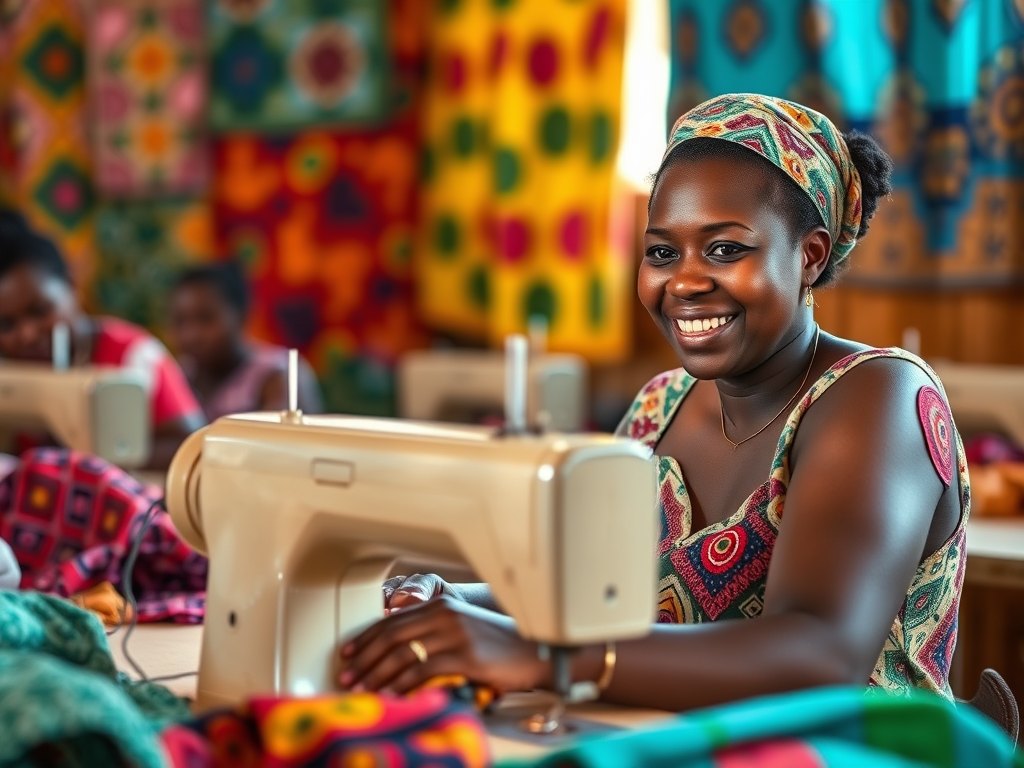
In a small workshop on the outskirts of Kigali, Rwanda, the steady hum of sewing machines fills the air. The room is bright with color — fabric patterns from every corner of the country, laughter from women stitching side by side, and the quiet rhythm of purpose.
At first glance, it’s a tailoring business. But beneath the surface, it’s something far deeper — a story of healing, courage, and entrepreneurship.
This is the story of Clarisse Mukamana, a woman who turned unimaginable loss into a movement that now sustains dozens of families and symbolizes hope for an entire community.
The Past She Survived
Clarisse was just sixteen when Rwanda’s 1994 genocide tore her world apart.
She lost her parents, her sister, and nearly every part of the life she knew.
When the violence ended, she — like millions of others — was left to rebuild from ashes.
The trauma was heavy, but so was her determination. Clarisse decided early on that if she couldn’t rebuild what she lost, she would help rebuild what came next.
She wanted to create something that restored both dignity and livelihood — not just for herself, but for other women carrying similar scars.
The First Stitch
In 2001, with a borrowed sewing machine and two widows from her village, Clarisse started small.
They gathered in a single room, sewing simple dresses and school uniforms for local families. The work was slow, the pay uncertain, but the act itself was powerful. Every stitch was an act of rebuilding.
They named their group Amahoro Cooperative, meaning peace.
At the time, they weren’t entrepreneurs — just survivors trying to earn enough to eat. But as the months went on, they noticed something changing.
Customers came not just for the clothing, but for the connection — for the story woven into each piece.
From Scarves to Strength
Word of mouth spread. Tourists and aid workers began visiting the cooperative to buy local fabrics. Clarisse and her team started experimenting with designs, mixing traditional Rwandan patterns with modern fashion styles.
Their products — scarves, bags, dresses — were vibrant, unique, and full of meaning.
What started with three women grew to thirty. Clarisse began teaching young women to sew, many of them orphans or single mothers. What she built wasn’t just a business — it was a community classroom for resilience.
In Clarisse’s words:
“When a woman learns to sew, she learns she can shape her future — one stitch at a time.”
The Breakthrough
By 2010, an NGO took notice of the cooperative’s growth. They helped Clarisse and her team learn about pricing, exporting, and branding.
Soon after, Amahoro Cooperative began selling products internationally through fair-trade networks. Orders started coming in from Europe, the U.S., and other parts of Africa.
With each shipment, Clarisse hired more women — survivors who once had no income, now earning steady pay and building confidence.
The workshop that began with a single borrowed machine now buzzed with more than twenty — each one representing a story of renewal.
The Ripple Effect
Today, Amahoro Cooperative employs over 80 women. Some have gone on to open their own tailoring shops, while others train new apprentices across Rwanda.
The impact extends beyond income — it’s visible in the lives of the women’s children, in the rebuilt homes, and in the laughter that echoes through the workshop.
Entire communities are being transformed, not by charity, but by enterprise.
Why It Worked
Clarisse’s journey is a blueprint for purpose-driven entrepreneurship.
It worked because she didn’t start with capital — she started with conviction.
- She used what she had, where she was.
- She reinvested in people, not possessions.
- And she built around purpose, not profit.
Her cooperative thrived because it gave others a reason to believe in themselves again — and that’s a business model that never goes out of style.
The Lesson: Hope Is Scalable
Clarisse’s story reminds us that entrepreneurship isn’t just about wealth — it’s about agency.
It’s about the power to change your circumstances and the courage to take the first small step.
The Tailor Who Wove Hope didn’t start with funding, investors, or perfect timing.
She started with pain… and turned it into purpose.
Her success is a lesson to every aspiring entrepreneur, investor, or dreamer:
You don’t have to see the whole path — you just have to take the first stitch.
The Takeaway for Investors and Builders
At The Solo Investor, stories like Clarisse’s remind us why small business ownership matters.
Because behind every great financial chart or investment metric lies something deeply human — resilience, creativity, and hope.
The best investments don’t always start in boardrooms.
Sometimes, they start in workshops — where one woman threads a needle and decides that tomorrow will be different.
What we learn from Clarisse Mukamana is timeless:
True wealth isn’t just measured in money — it’s measured in impact.
If you’re looking for real-life money stories and practical wealth-building strategies, I hope this article on Focused Finance will inspire you to take the first step toward financial freedom.
👉 Don’t forget to like, subscribe, and share your thoughts in the comments.